HNA EXPORTS LLP
HNA EXPORTS LLP
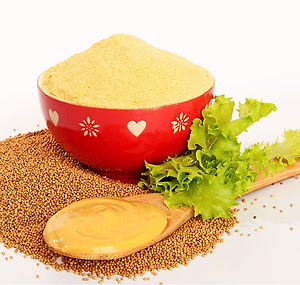
Mustard Powder
Introduction :
Yellow mustard powder, a staple in kitchens around the world, is known for its sharp flavor and versatility in culinary and medicinal uses. Derived from the seeds of the Sinapis alba plant, also known as white mustard, yellow mustard powder’s journey from farm to processing involves careful agricultural practices, harvesting, drying, milling, and packaging. Here is the step-by-step transformation of mustard seeds into the powdered spice that enhances countless dishes and food products.
1. Cultivation and Farming :
Yellow mustard is typically grown in temperate climates and is suited to areas with cool, moist growing seasons. It thrives in well-drained, loamy soil with a neutral pH. The farming process begins with land preparation in early spring, where fields are tilled and cleared of weeds. Mustard seeds are then sown directly into the soil, often using precision seed drills to ensure optimal spacing and depth.
Farmers may apply organic or chemical fertilizers to support plant growth, and careful pest and weed management is crucial to protect yields. Mustard plants mature quickly—usually within 80 to 95 days. During this period, they grow up to 2 to 3 feet tall and produce small yellow flowers, which eventually give way to seed pods.
2. Harvesting :
Harvesting occurs when the mustard seed pods turn yellow-brown and begin to dry. Timing is critical. Harvesting too early leads to immature seeds with low oil content, while waiting too long risks seed shattering. Mechanical harvesters or combine harvesters are commonly used to collect the seeds efficiently.
Post-harvest, the seeds are separated from plant debris through threshing and cleaning processes. The seeds must be thoroughly dried to reduce their moisture content to around 8–10%, preventing mold and spoilage during storage.
3. Seed Cleaning and Storage :
After collection, the mustard seeds undergo a rigorous cleaning process to remove stones, dust, and other impurities. This is typically done through a combination of air classifiers, sieves, and magnetic separators. Once cleaned, seeds are stored in cool, dry silos or containers until ready for processing.
Proper storage is essential to maintain seed quality. Temperature and humidity control prevent fungal growth and preserve the integrity of the essential oils within the seeds.
4. Milling and Powder Production :
To produce mustard powder, seeds are first inspected and graded for quality. They are then dehulled, which involves removing the outer seed coat. Some manufacturers may lightly roast the seeds to enhance flavor before grinding, though for yellow mustard powder, this is usually avoided to retain its natural tangy profile.
The cleaned seeds are then ground using hammer mills or roller mills into a fine powder. During milling, care is taken to maintain low temperatures, as excessive heat can degrade the volatile oils that give mustard its characteristic aroma and pungency.
5. Packaging and Distribution :
Once milled, yellow mustard powder is sieved to ensure consistent texture. It may be blended with other spices or stabilizing agents depending on the intended use. The final product is packed in airtight containers to preserve freshness and prevent clumping. Packaging materials often include food-grade plastic, paperboard, or glass jars.
After packaging, the mustard powder is labelled with nutritional and regulatory information before being shipped to wholesalers, retailers, and food manufacturers globally. The shelf life of properly stored mustard powder ranges from 1 to 2 years.
Conclusion :
The journey of yellow mustard powder from farm to processing is a detailed and carefully managed process that integrates modern agricultural techniques with precise food manufacturing standards. Each stage—from seed sowing to final packaging—affects the quality and flavor of the end product. By understanding this journey, consumers gain a deeper appreciation for the humble spice that not only flavors their food but also represents the efforts of farmers, processors, and food scientists working in harmony.