HNA EXPORTS LLP
HNA EXPORTS LLP
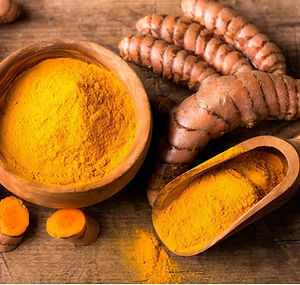
Turmeric Powder
Introduction :
Turmeric powder, a vibrant yellow spice derived from the root of the Curcuma longa plant, holds a significant place in culinary, medicinal, and cultural traditions, especially in South Asia. Often referred to as “Indian saffron,” turmeric is not only valued for its distinct flavor and color but also for its powerful health benefits, largely attributed to its active compound, curcumin. Over centuries, turmeric powder has evolved from a traditional kitchen ingredient into a globally recognized health supplement and natural remedy.
Origin and Cultivation :
Turmeric is a tropical plant native to India and Southeast Asia. It thrives in warm climates with plenty of rainfall and well-drained soil. Farmers plant turmeric rhizomes during the monsoon season, and the crop takes about 7 to 10 months to mature. Once the leaves begin to yellow and dry, the turmeric rhizomes are harvested by hand or with simple tools.
Processing into Powder :
After harvesting, turmeric undergoes a series of processes to become the familiar powder used in homes and industries. The steps include:
-
Cleaning: Removing soil and dirt from the rhizomes.
-
Boiling (Curing): Softening the rhizomes and enhancing color through boiling.
-
Drying: Reducing moisture content by sun-drying or mechanical drying.
-
Polishing: Smoothing the rhizomes to remove rough surfaces.
-
Grinding: Pulverizing the dried rhizomes into a fine powder.
-
Packaging: Storing the powder in airtight containers to preserve quality.
Each of these steps ensures that the final product is safe, potent, and suitable for consumption or medicinal use.
Culinary and Medicinal Uses :
In cooking, turmeric powder is widely used to flavor curries, rice dishes, and soups. Its earthy, slightly bitter taste and rich color make it indispensable in Indian, Middle Eastern, and Southeast Asian cuisines.
Medicinally, turmeric is celebrated for its anti-inflammatory, antioxidant, and antimicrobial properties. Curcumin, its primary active ingredient, has been studied for its potential in treating arthritis, heart disease, and even cancer. Turmeric is also used in Ayurvedic and traditional Chinese medicine for improving digestion, healing wounds, and boosting immunity.
Economic and Cultural Importance :
Turmeric is not only a staple in households but also a major agricultural export for countries like India, which supplies over 80% of the world’s turmeric. Beyond its economic value, turmeric holds spiritual and cultural significance. It is used in Hindu rituals, weddings, and as a natural dye in traditional textiles.
Conclusion :
Turmeric powder stands as a remarkable example of how a natural product can influence health, cuisine, culture, and commerce. From the fields where it is grown to the kitchens and pharmacies where it is used, turmeric continues to be a symbol of natural wellness and traditional wisdom. As global interest in natural remedies grows, turmeric’s importance is likely to expand even further, blending ancient tradition with modern science.